
Oral Cancer Screenings in Tribeca NYC
Oral Pathology Symptoms
The inside of the mouth is normally lined with a special type of skin (mucosa) that is smooth and coral pink in color. Any alteration in this appearance could be a warning sign for a pathological process. The most serious of these is oral cancer. The following can be signs at the beginning of a pathological process or cancerous growth:
- Reddish patches (erythroplakia) or whitish patches (leukoplakia) in the mouth
- A sore that fails to heal and bleeds easily
- A lump or thickening on the skin lining the inside of the mouth
- Chronic sore throat or hoarseness and/or difficulty in chewing or swallowing
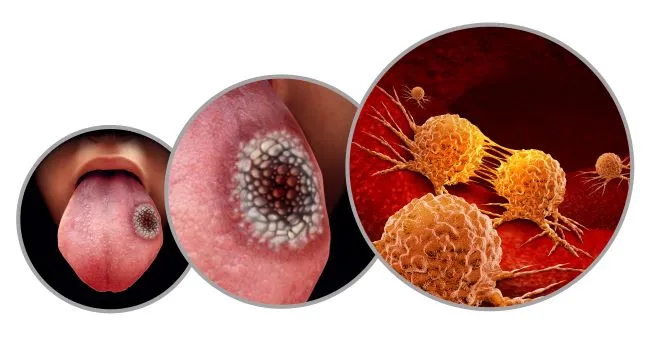
These changes can be detected on the lips, cheeks, palate, and gum tissue around the teeth, tongue, face, and/or neck. Pain does not always occur with pathology, and curiously, is not often associated with oral cancer. However, any patient with facial and/or oral pain without an obvious cause or reason may also be at risk for oral cancer.
Ready To Schedule Your Appointment?
Contact us with any questions or to schedule an appointment.
We would recommend performing an oral cancer self-examination monthly. Remember that your mouth is one of your body’s most important warning systems. Do not ignore suspicious lumps or sores. Please contact us so we can assist you with any questions or concerns.
Frequently Asked Questions About Oral Pathology:
1. What is oral pathology, and why is it important?
Oral pathology is the study of diseases affecting the mouth, teeth, gums, and other structures in the oral cavity. It is important because it helps identify conditions that might not be immediately visible or obvious, such as oral cancer, infections, or precancerous lesions. Early detection of oral pathologies can prevent serious complications and lead to more effective treatments.
2. How do I know if I have an oral pathology?
Symptoms of oral pathologies can include persistent mouth pain, swelling, sores, white or red patches in the mouth, bad breath, difficulty swallowing, or changes in the appearance of your gums, teeth, or tongue. If you experience any of these symptoms, it’s important to visit your dentist or oral pathologist for an examination and diagnosis.
3. What is the process for diagnosing an oral pathology?
Diagnosing an oral pathology usually involves:
- Clinical examination: Your dentist or oral pathologist will inspect your mouth, gums, teeth, and oral tissues for any signs of disease.
- Biopsy: If a suspicious lesion is found, a biopsy (removal of a small tissue sample) may be performed to determine whether it is benign or malignant.
- Imaging tests: X-rays or other imaging may be used to check for abnormalities in the bone or surrounding tissues.
- Laboratory tests: In some cases, blood work or bacterial/viral cultures may be ordered.
4. Are oral pathologies treatable?
Yes, many oral pathologies are treatable, especially when caught early. Treatment options vary depending on the condition:
- Infections can often be treated with antibiotics or antifungal medications.
- Benign lesions may be removed or monitored.
- Cancerous growths may require surgery, radiation therapy, or chemotherapy. Your oral health professional will recommend the best course of treatment based on the specific diagnosis.
5. How can I prevent oral pathologies?
Prevention of oral pathologies involves maintaining good oral hygiene and a healthy lifestyle. Key preventive measures include:
- Brushing and flossing regularly: To remove plaque and bacteria that can cause infections and cavities.
- Avoiding tobacco and excessive alcohol: These are major risk factors for oral cancer and gum disease.
- Eating a balanced diet: Limiting sugary foods can reduce the risk of cavities and gum issues.
- Regular dental check-ups: Routine visits to your dentist can help catch issues early before they develop into more serious conditions.